How to embed effective retrieval practice in your school

Retrieval practice is a feature of high-quality teaching and supports pupils to learn. Understand retrieval practice, and learn strategies and tips to use it effectively across your school.

Last reviewed on 7 January 2026See updates
School types: AllSchool phases: AllRef: 45915
Contents
  1. Introduce retrieval practice to reduce re-teaching
  2. Create a culture of retrieval practice in your school
  3. What does effective retrieval practice look like in the classroom?
  4. Adapt retrieval practice for pupils with barriers to learning
  5. Boost effectiveness with these tips
  6. Check teachers are using retrieval practice effectively and consistently 

Introduce retrieval practice to reduce re-teaching

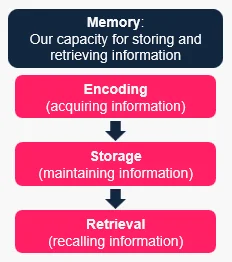
A diagram that defines memory as 'our capacity for storing and retrieving information'. Below the definition the three parts of working memory are shown in sequence. Encoding (acquiring information) leading to storage (maintaining information) leading to retrieval (recalling information).

Retrieval practice is part of the working memory model (see diagram, right). 

When pupils recall information from their long-term memory into their working memory, they get better at retrieving that information. Next time they need to recall it, they'll find it easier. 

It also helps prevent cognitive overload for pupils and reduces re-teaching, saving teachers time in the classroom. 

Inspectors will look at how your school prioritises retrieval practice (alongside feedback and assessment) when evaluating the quality of teaching in your school. See page 21 of Ofsted's inspection toolkit for this information.

Read our jargon buster for more detail about what retrieval practice does and why it works.

Create a culture of retrieval practice in your school

Teachers need to really understand why retrieval practice works in order to use it effectively in the classroom. Hold a training session to explain this, and/or point teachers to resources